 +41 79 870 01 24
  info@brain-board.ch

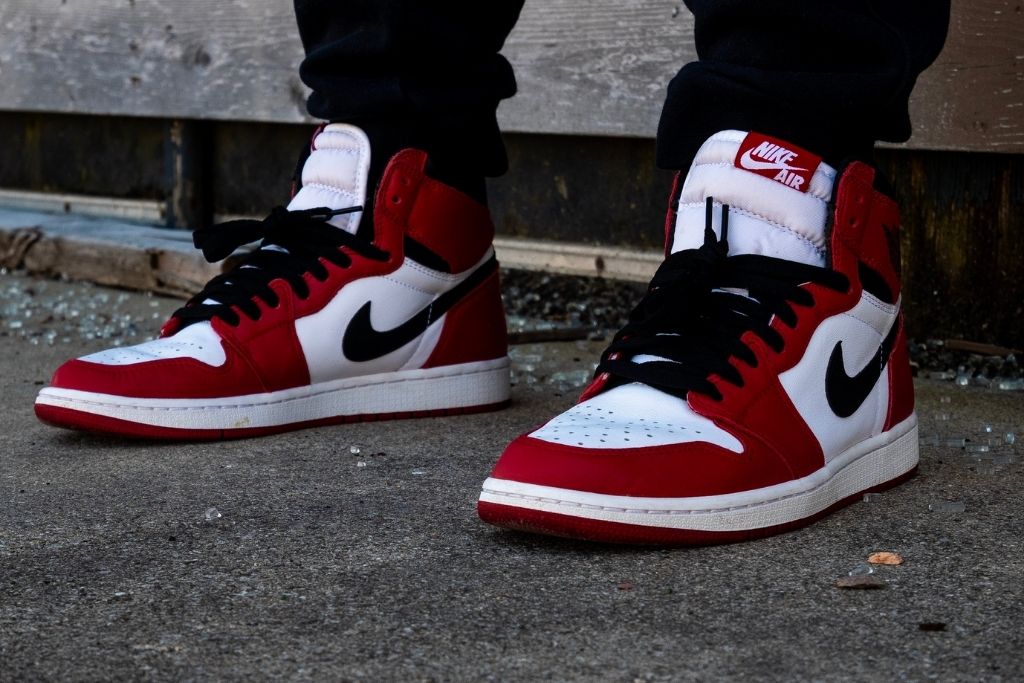
Nike has long been a benchmark for digital marketing excellence, but in 2020 its “You Can’t Stop Us” campaign set a new standard. Even years later, marketers still ask:
Why did this campaign resonate so deeply and why can’t most brands replicate its impact?
The answer is not tools, budgets, or platforms. It’s strategic clarity, emotional storytelling, and integrated execution.
In a world where AI, paid media, and automation are available to everyone, Nike proves that strategy, not technology, is the real differentiator.
Why the campaign worked
Nike’s success came from the alignment of creativity, timing, data, and brand purpose.
Human-centered storytelling
Instead of selling products, Nike told a story of resilience and unity.
The now-famous split-screen video showed athletes overcoming obstacles, creating a powerful emotional connection.
People didn’t share the video because it was an ad, they shared it because it felt human.
Consistent brand messaging
From social media to website banners and influencer activations, every touchpoint reinforced Nike’s purpose: “If you have a body, you are an athlete.”
This consistency built instant recognition and trust across platforms.
Data-driven distribution
Nike used analytics to identify:
- Where audiences were most active
- When they were most engaged
- Which formats performed best
This allowed them to maximize reach while minimizing wasted ad spend.
Cross-platform optimization
The content was adapted for each platform—short videos for social, long-form on YouTube, mobile-first formats everywhere. One story, many experiences.
Cultural relevance
Launched during the early COVID-19 pandemic, the campaign spoke directly to a global moment of uncertainty and resilience. Nike listened, adapted, and responded with empathy.
Strategic principles behind the campaign
Nike’s campaign shows that high performance comes from strategy first, execution second.
Align creativity with business goals
The objective wasn’t just views, it was long-term brand affinity and loyalty.
Every creative decision supported measurable business outcomes.
Design for the audience
Nike tailored content for digital-native users without losing its brand identity.
Quality beats quantity
Instead of dozens of weak ads, Nike built one powerful core asset and adapted it across channels.
Measure what matters
Beyond views and likes, Nike tracked sentiment, sharing behavior, site visits, and brand lift—focusing on real business impact.
Integrate creativity, analytics, and timing
The campaign’s success lay in the seamless integration of creativity and data. Analytics informed distribution and engagement strategies, while creative excellence ensured the message resonated emotionally.
How your business can apply these lessons
You don’t need Nike’s budget to apply Nike’s strategy.
Tell a human story
People connect with meaning, not features. Your message should reflect values, challenges, and aspirations.
Stay consistent across channels
Your website, social media, ads, and emails should speak with one voice.
Let data guide, not replace creativity
Use analytics to choose platforms and formats, but let storytelling drive engagement.
Optimize for where your audience Is
IDon’t copy trends blindly. Focus on the channels your customers actually use.
Track business KPIs
Engagement only matters if it leads to growth, leads, sales, retention.
Final thought
Nike’s “You Can’t Stop Us” proves that digital marketing is not about using more tools, it’s about aligning purpose, storytelling, data, and execution.
In this era, brands that win won’t be louder, they’ll be clearer.
Key takeaways
- Human storytelling drives stronger engagement
- Consistency across channels builds trust
- Data supports strategy—it doesn’t replace creativity
- Fewer high-quality assets outperform mass content
- Strategic KPIs drive real business growth